


Great ideas need fuel to grow — and in the world of startups, that fuel often comes from investors. But what many founders underestimate is how powerful design can be in the fundraising journey.
“Design is the silent ambassador of your brand.” — Paul Rand
In this article, we’ll explore how strategic UX/UI design can help you attract and win over investors, with real tactics, examples, and a few insider tips from the Heeeper team.
Why Design Matters to Investors
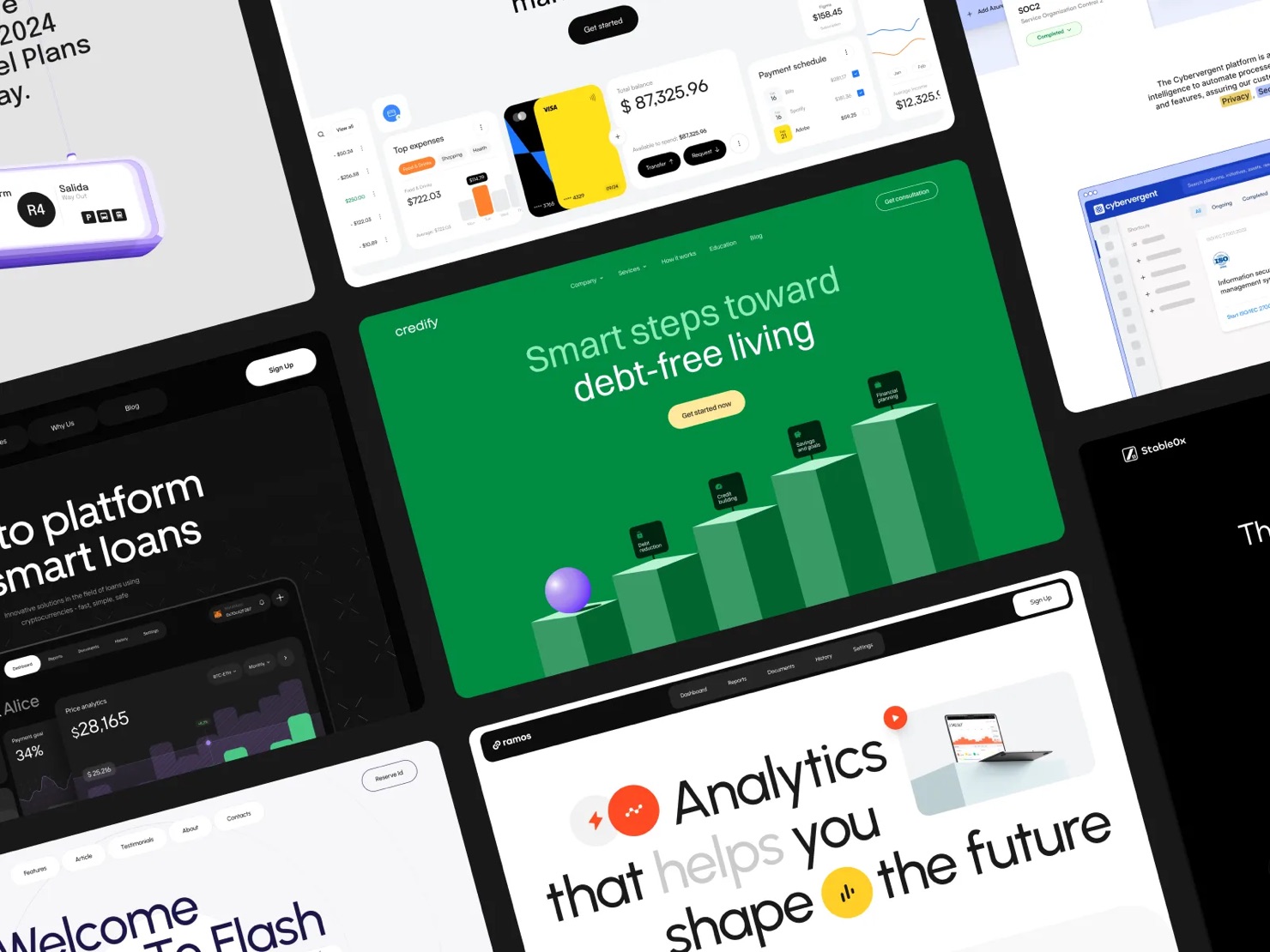
Design is more than aesthetics — it signals credibility, vision, and user understanding. Investors may not be designers, but they intuitively recognize:
- Clear, confident branding
- Polished interfaces that demonstrate maturity
- Seamless user experience that indicates product-market fit
- Investor decks that feel investable
When your product looks like it belongs in the future, investors are more likely to believe you’ll get there.
Key Ways Design Helps You Get Funded
Build Trust at First Click
Visual design creates an immediate impression — and in pitch meetings, you have seconds. A clean, cohesive UI shows that:
- You care about details
- You understand your users
- You’re ready to scale
Prototype What Matters
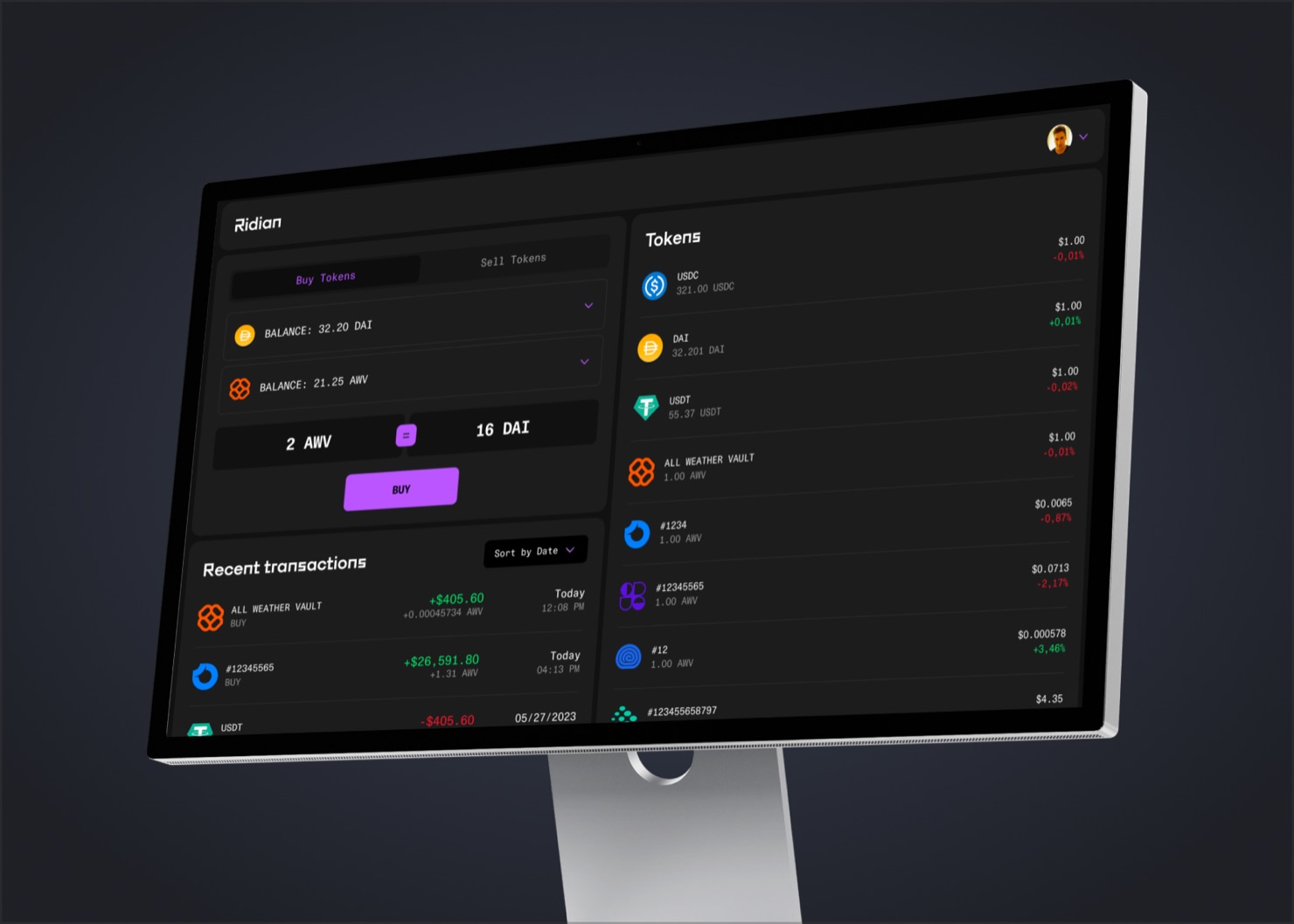
Don’t just tell — show. A high-fidelity prototype can demonstrate:
- Realistic interactions
- Your product’s unique value
- Your team’s execution ability
What Investors Look For in Design
| Factor | Investor Perspective | Heeeper Design Tip |
|---|---|---|
| Visual Consistency | Professionalism and polish | Use a modular design system |
| Product Walkthrough | Understanding of core use cases | Craft a simple clickable prototype |
| Brand Identity | Confidence and differentiation | Align visuals with narrative |
Final Thoughts: Design Is a Deal-Maker
A strong product vision feels inevitable when it’s well designed. That’s why top founders invest in UX/UI before meeting investors.
At Heeeper , we help startups turn ideas into fundable, investor-ready realities through expert design strategy.
✨ “If you think good design is expensive, you should look at the cost of bad design.” — Ralf Speth